China Best High Vacuum Pump Manufacturer Supplier
Choosing a China best high vacuum pump manufacturer supplier requires more than comparing prices. It requires evidence, process knowledge, and honest engineering limits.
MarketsandMarkets’ Vacuum Pumps Market report identifies semiconductor manufacturing, solar production, vacuum coating, and analytical instruments as major demand sectors. These applications need stable pressure, clean operation, and predictable maintenance. SEMI’s World Fab Forecast also shows continued investment in semiconductor fabrication capacity, where vacuum equipment supports deposition, etching, and wafer handling. Demand is growing. So are performance expectations.
Vacuum technology expert John F. O’Hanlon wrote, “A vacuum is a space from which air or other gas has been removed.” His practical message remains important. Pump selection must begin with the actual gas load, chamber volume, target pressure, and process temperature. A high vacuum pump may reach approximately 10⁻³ to 10⁻⁷ mbar, depending on its design and system conditions. However, catalogue pressure is not production performance. That difference matters.
Reliable Chinese manufacturers should provide pumping-speed curves, ultimate-pressure test conditions, material specifications, noise data, and maintenance guidance. ISO 21360 testing methods can improve comparison between suppliers. On a factory floor, small details matter: clean sealing surfaces, correctly sized foreline pipes, and oil mist control can affect an entire coating batch.
No supplier should promise every pump for every process. That is not expertise. It is a warning sign. A stronger introduction examines rotary vane, dry screw, scroll, and turbomolecular technologies without hiding their weaknesses. The best partner combines documented testing, responsive technical support, export experience, and the humility to recommend another configuration when necessary.
High Vacuum Pump Manufacturing in China: Industry Overview
China Best High Vacuum Pump Manufacturer Supplier
High vacuum pump manufacturing in China has developed around precision machining, motor production, sealing technology, and vacuum testing. Manufacturers commonly produce oil-sealed, dry, diffusion, and turbomolecular pump systems for laboratories, coating lines, electronics, and industrial processing. Each application needs different pressure ranges, gas loads, materials, and operating cycles. A pump designed for a clean laboratory may perform poorly beside a dusty production furnace.
Experienced manufacturers usually control several stages internally. These include rotor balancing, surface finishing, clean assembly, electrical testing, and leak inspection. Helium leak testing can reveal small sealing problems that ordinary pressure checks miss. Engineers should also verify pumping speed under actual inlet conditions, not only rely on catalogue figures. That difference matters.
The word “best” is often too loose.
Reliable suppliers provide test records, calibration details, maintenance guidance, and replacement-part information. They should explain ultimate pressure, oil backstreaming risk, vibration, noise, and expected service intervals in clear language. Material selection also deserves attention, especially when corrosive or reactive gases are involved. Some specifications remain difficult to compare because testing methods differ between factories. Buyers should request consistent data and practical reference conditions. A careful technical discussion often reveals more than a polished sales claim. Mistakes still occur, even in well-managed production, so traceability and responsive after-sales engineering remain essential.
Core Technologies Used in High Vacuum Pump Production
China Best High Vacuum Pump Manufacturer Supplier
Core Technologies Used in High Vacuum Pump Production
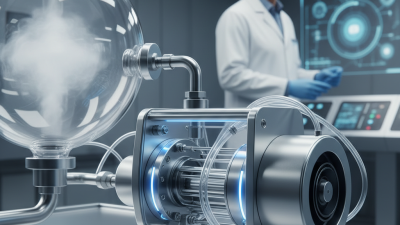
High vacuum pump production combines precision machining, clean assembly, and thermal control. Turbomolecular pumps use carefully balanced rotor stages to move gas molecules efficiently. Dry screw pumps rely on synchronized rotors without oil inside the compression chamber. Very small errors matter. A slight imbalance can increase vibration, heat, and bearing wear. SEMI’s 2024 World Fab Forecast projected semiconductor manufacturing equipment spending at 112.8 billion dollars. This demand increases pressure for stable vacuum performance and shorter maintenance cycles.
Modern designs often combine turbomolecular pumps with Roots boosters and dry backing pumps. Variable-frequency drives adjust speed when chamber loads change. Magnetic or ceramic bearings can reduce contamination risks. CFD simulation helps engineers study gas flow, but testing remains essential. I would not treat simulation as proof. Real chambers contain leaks, particles, temperature changes, and uneven conductance. Helium leak detection, residual gas analysis, and ISO 21360 testing help verify pump performance under controlled conditions.
Materials also influence reliability. Stainless steel chambers, low-outgassing seals, and carefully cleaned aluminum parts support cleaner operation. Manufacturers should record vibration, ultimate pressure, pumping speed, and power consumption for each unit. The 2023 International Technology Roadmap for Devices and Systems stresses tighter contamination control as device structures become smaller. That target is difficult. Operators still need practical service access, because a technically advanced pump can fail commercially when maintenance becomes too complicated.
Types of High Vacuum Pumps and Their Applications
China Best High Vacuum Pump Manufacturer Supplier
Types of High Vacuum Pumps and Their Applications
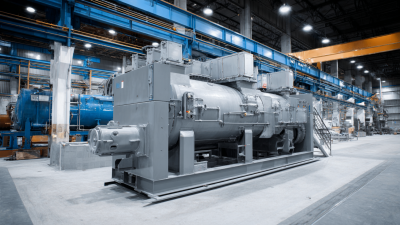
High vacuum systems depend on pressure range, gas load, cleanliness, and process sensitivity. Rotary vane pumps commonly provide rough vacuum, often below 1 mbar, for laboratory drying, freeze-drying, and backing duties. Dry screw pumps avoid oil contact, making them suitable for semiconductor processing, chemical handling, and vacuum coating. Their maintenance can be simpler, but purchase costs are usually higher.
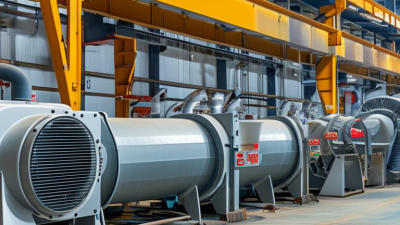
Roots blowers increase pumping speed at medium vacuum levels. They often work with a backing pump rather than alone. Turbomolecular pumps can reach pressures near 10⁻⁷ mbar or lower, supporting electron microscopy, analytical instruments, and thin-film deposition.
Diffusion pumps remain useful in large chambers because they offer strong throughput, although oil backstreaming requires effective traps. Cryogenic pumps deliver exceptionally clean vacuum for sensitive research and advanced coating applications.
The Fortune Business Insights 2024 report estimated the global vacuum pump market at about USD 5.58 billion in 2024. It projects continued growth through 2032, driven partly by semiconductor and industrial coating demand. Actual selection is less simple than a catalog comparison. A turbomolecular pump may reach impressive pressure, yet it cannot replace proper chamber sealing or adequate backing capacity. Field commissioning experience shows that virtual leaks, moisture, and incorrect valve timing often cause longer delays than pump output. Sometimes, the smaller system performs better.
How to Evaluate a Chinese High Vacuum Pump Supplier
Evaluating a Chinese high vacuum pump supplier requires more than comparing online prices. In practice, I start with the target pressure, pumping speed, gas load, and operating cycle. A supplier should provide measured curves, not only catalog figures. Ask for test conditions, gauge type, temperature, and stabilization time. These details can change the result.
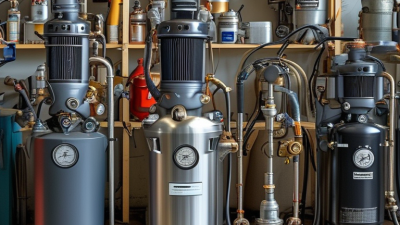
Request a factory video call or visit. Look for clean assembly areas, calibrated leak detectors, vacuum gauges, and traceable inspection records. Ask whether each unit receives a helium leak test before shipment. Review material certificates for seals, flanges, and internal surfaces. For oil-sealed models, check oil mist control and maintenance intervals. For dry pumps, inspect purge requirements and expected service life. A sample run with your chamber is more useful than a polished brochure.
Reliable communication matters after payment. Confirm response times, spare-parts stock, warranty boundaries, installation support, and technician training. Check export documents and previous project references where possible. Speak with an engineer, not only a sales contact. I have seen suppliers answer quickly but avoid difficult pressure-data questions. That is a warning. Still, no evaluation is perfect; a small pilot order may expose noise, vibration, or unstable pressure under real loads. Record those results before approving larger purchases.