Best Vacuum Blower Pump for Industrial Use and Efficiency?
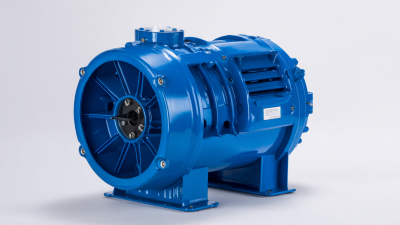
In the realm of industrial applications, the **vacuum blower pump** stands out as a vital component. It plays a key role in various processes like material handling, filtration, and vacuum packaging. Choosing the best vacuum blower pump requires knowledge of efficiency and reliability. Quality matters significantly in industrial settings.
Understanding the specifications of vacuum blower pumps is challenging. Many models flood the market, each claiming superior performance. However, reliability and efficiency can vary greatly among them. Industry experts recommend considering factors such as airflow rate, power consumption, and overall construction.
While some users might settle for the first option they find, reflecting on long-term effectiveness is crucial. A pump that fails to meet the demands can lead to costly downtime. It's essential to compare models and understand their specific applications. Ultimately, investing time in research will ensure a more productive operation. The right vacuum blower pump can transform processes and enhance overall performance.
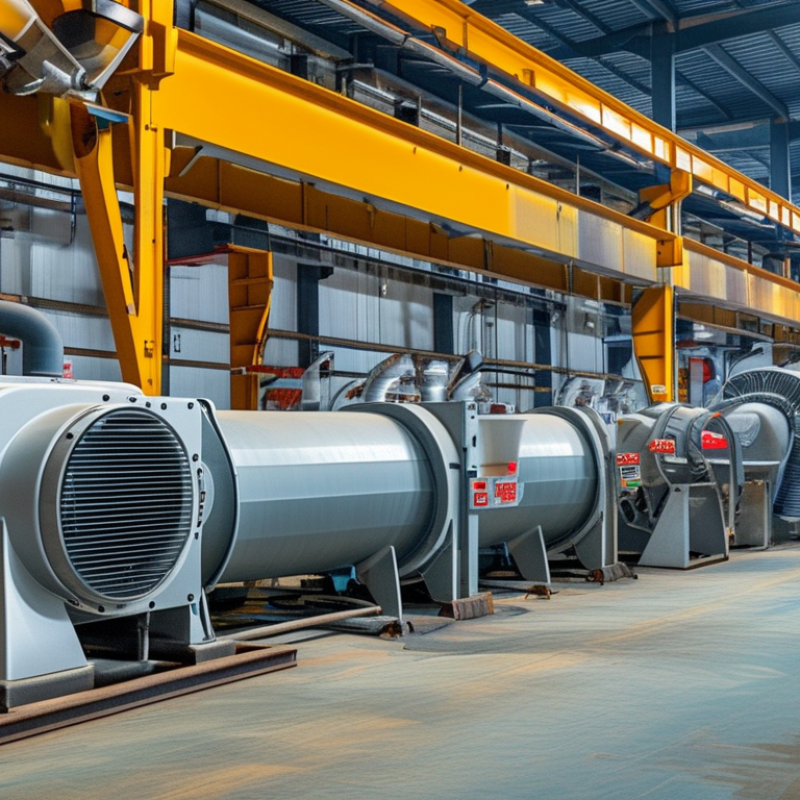
Overview of Industrial Vacuum Blower Pumps and Their Applications
Industrial vacuum blower pumps play a crucial role in various applications, enhancing efficiency in operations. These pumps excel in transporting air and gases, making them ideal for industries like food processing, pharmaceuticals, and packaging. They create a vacuum or negative pressure, crucial for processes such as pneumatic conveying and suction applications.
The reliability of these pumps greatly affects overall production. A well-chosen vacuum blower pump ensures a steady flow and reduces downtime. However, selecting the right model requires understanding specific operational needs, including airflow and pressure capacities. Operators must often reflect on their choices; sometimes, even minor miscalculations can lead to significant inefficiencies. Regular maintenance is also essential to maintain performance and avoid unexpected failures.
In practice, adoption of industrial vacuum blower pumps can vary. While they are powerful, their efficiency may fluctuate based on environmental conditions and application demands. Users must monitor performance and be prepared to make adjustments as required. This level of attentiveness fosters a deeper understanding of equipment needs in real-time operations.
Key Features to Consider When Choosing a Vacuum Blower Pump
When choosing a vacuum blower pump for industrial use, several key features must be evaluated. Efficiency is paramount; a well-designed pump should maximize airflow while minimizing energy consumption. Look for a model with robust construction that can withstand the demands of a busy industrial environment. Materials such as stainless steel enhance durability, allowing for long-term operation.
Another critical factor is suction power. It should meet the specific requirements of your application. If the pump is primarily for debris removal, a stronger suction may be necessary. Consider the pump's noise levels, too. Some industrial environments prioritize quieter operations. Vibration is also a concern; excessive vibrations can lead to premature wear on the equipment.
The ease of maintenance is often overlooked. Routine maintenance can become a tedious task if the pump is inaccessible. Therefore, choose a design that facilitates easy servicing. User-friendly features like clear access panels can save time and effort in maintaining the pump. Reflect on the availability of replacement parts, as sourcing components can impact downtime.
Top Brands and Models of Vacuum Blower Pumps for Industrial Use
When looking for the best vacuum blower pump for industrial use, understanding top brands and models is crucial. Reliable pumps play a vital role in various industries. They enhance efficiency in operations, ensuring tasks are completed swiftly. Many options are available, but each has unique characteristics that cater to specific industrial needs.
Consider the pump’s flow rate and pressure capabilities. Different industries require different specifications. For example, a bakery may need a lower flow rate for packaging, while a manufacturing facility may require high-pressure capabilities. Selecting the right model can significantly impact productivity.
Tips: Always assess your operational requirements before making a decision. It’s advisable to consult with professionals. They can provide valuable insights based on experience. Regular maintenance is essential for longevity. Even the best models can face issues if neglected. Make a habit of checking for wear and tear regularly. This simple practice can save substantial costs in the long run.
Best Vacuum Blower Pump for Industrial Use
Maintenance Tips for Ensuring Efficiency of Vacuum Blower Pumps
Maintaining vacuum blower pumps is crucial for maximizing efficiency in industrial settings. Regular inspection and upkeep can prevent costly downtimes. According to a report by the American Society of Mechanical Engineers, poorly maintained pumps can lead to a 20% drop in performance and increase energy consumption by up to 30%.
One essential maintenance tip is to check for wear and tear on seals and gaskets. These components can degrade over time, leading to leaks and reduced efficiency. Routine lubrication of moving parts is also key. A study from the International Journal of Industrial Engineering highlights that proper lubrication can extend the lifespan of pumps by 50%.
Monitoring operating temperatures is necessary as well. Pumps exceeding specified temperature ranges can suffer damage. However, awareness of these limits can sometimes be overlooked. Keeping a log of operational metrics helps in identifying trends that may require adjustments. Regular training for staff on maintenance protocols can bolster these efforts, yet many facilities struggle with prioritizing this aspect.
Comparative Analysis of Costs and Performance in Vacuum Blower Pumps
When selecting a vacuum blower pump for industrial applications, cost and performance play crucial roles. Different pumps have varying prices, influenced by their design and features. Basic models can be more affordable, but they often lack efficiency. More advanced systems might come with a higher price tag, yet they provide better energy savings and longer lifespan.
Performance measurement is not solely about efficiency ratings. It also involves understanding airflow and pressure capabilities. Some pumps excel in high-volume tasks, while others are better suited for high-vacuum applications. It's vital to assess how anticipated workloads align with pump capabilities. Consider potential maintenance costs, as less efficient models may require more upkeep over time, impacting overall expenses.
In many cases, the initial investment may feel larger for high-performance models. However, analyzing long-term benefits is crucial. Enhanced energy efficiency means lower operational costs. Make sure to evaluate how maintenance requirements might change over the pump's lifespan. Balancing upfront costs with ongoing performance can lead to better decision-making. It's essential to weigh both immediate needs and future demands when choosing the right pump.