Top 10 Vane Pump Manufacturers for Global Buyers
A vane pump may look simple from the outside: a compact housing, a rotating rotor, and sliding vanes that move fluid through the system. Yet small differences in materials, clearances, and manufacturing quality can affect noise, efficiency, service life, and maintenance needs. Buyers comparing suppliers need more than a polished catalog. They need clear specifications and dependable technical support.
This guide introduces 10 vane pump manufacturers serving global buyers. It is intended as a practical starting point, not a universal ranking. No ranking is perfect. A supplier that suits a mobile hydraulic system may not fit a factory line or an industrial lubrication circuit. Application matters.
As you review each manufacturer, consider operating pressure, flow rate, fluid compatibility, temperature range, and installation space. Ask how performance data was measured, whether replacement parts are available, and what support is offered after purchase. A pump running beside a production line may face heat, vibration, and long duty cycles; those details should shape the choice. Certifications and export experience can also be useful, but buyers should verify current documents directly with each company. Product pages do not always tell the whole story. That deserves a second look.
The following overview compares manufacturers by product focus, market reach, and potential fit for different purchasing needs. Use it to build a shortlist, then confirm technical requirements with the supplier before making a decision.
What Is a Vane Pump and How Does It Work?
What Is a Vane Pump and How Does It Work?
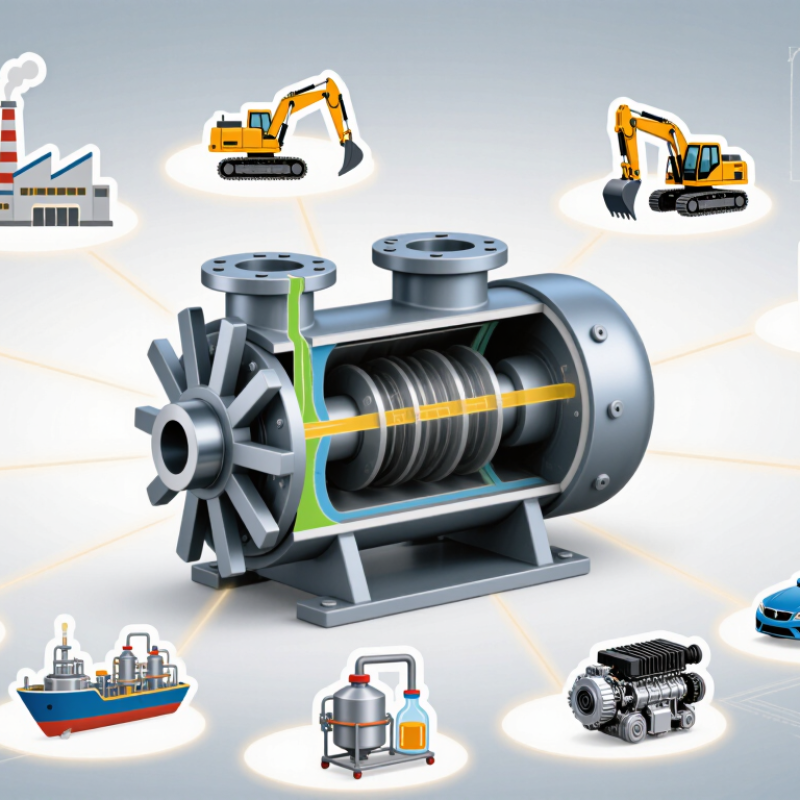
A vane pump moves fluid through a rotating assembly inside a close-fitting housing. Its rotor sits slightly off-center, with vanes sliding in radial slots. As the rotor turns, the spaces between adjacent vanes expand near the inlet, drawing fluid into the pump. Those spaces shrink near the outlet, pushing fluid into the system.
Simple in principle. Wear still matters.
In hydraulic service, vane pumps can provide steady flow for machine tools, mobile equipment, and industrial power units. Actual performance depends on fluid viscosity, operating speed, pressure, and clearances. Keep the fluid clean: particles can score the housing or jam a vane.
The U.S. Department of Energy’s Improving Pumping System Performance sourcebook reports that pumping systems use nearly 20% of global electricity. That figure covers pumping systems broadly, not vane pumps alone, but it highlights why correct sizing and maintenance matter.
One practical caveat: a pump’s rated capacity does not guarantee efficient operation at every load.
Tips: Check fluid level, temperature, and filter condition during routine inspections. Listen for a change in pitch, and look for uneven flow or rising heat. Use fluid that matches the pump maker’s viscosity recommendations. Small details are easy to miss.
Key Factors for Comparing Global Vane Pump Manufacturers
Comparing global vane pump manufacturers starts with the duty cycle, not the catalogue headline. Check flow rate, pressure range, fluid viscosity, and operating temperature against your actual process. A pump rated for a clean test fluid may behave differently with cold oil or frequent starts. Small details matter.
Ask how each manufacturer verifies performance. A useful test report should identify the test fluid, speed, pressure, and measured flow, rather than show one impressive number. Check materials for the housing, rotor, and vanes, especially if the fluid contains additives or fine particles. Request dimensional drawings and clarify how replacement parts are identified. Tolerances and availability can vary.
Service matters across borders. Confirm local technical support, spare-part lead times, warranty terms, and the language of operating documents. Ask for references from applications with similar duty, while recognizing that one installation cannot predict every result. Price is only part of the comparison; energy use, maintenance intervals, and downtime affect ownership cost. Be cautious of claims that omit test conditions. Perfect specifications on paper still need scrutiny. Manufacturers do not always provide equally detailed data, so buyers may need to request missing information before comparing offers fairly.
Top Vane Pump Manufacturers and Their Core Product Strengths
Top Vane Pump Manufacturers and Their Core Product Strengths
A useful comparison of vane pump manufacturers starts with application, not brochure claims. High-pressure hydraulic specialists focus on stable output under load, while mobile-equipment makers prioritize compact housings and vibration control. Industrial process suppliers often emphasize continuous duty and service access. Compact OEM manufacturers offer space-saving units for smaller machines. Corrosion-resistant specialists select materials for demanding fluids, and low-noise producers refine clearances and port geometry. Other makers may focus on high-speed operation, heavy-duty construction, precision flow, or custom-engineered configurations. These strengths are not interchangeable.
Look closely at the details. A pump rated for a particular pressure may still perform differently with hot oil, frequent starts, or long operating hours. Ask for performance curves, fluid compatibility data, operating limits, and evidence from applications similar to yours. Check spare-part availability and repair guidance, too. A catalog can look convincing yet leave out an important duty condition. That deserves a second look.
Tips: Compare the same flow, pressure, fluid, and temperature conditions across suppliers. Confirm mounting dimensions and shaft details before ordering. If possible, request a sample test under realistic load. Small differences matter.
Selecting the Right Vane Pump Supplier for International Applications
Top 10 Vane Pump Manufacturers for Global Buyers
Selecting the Right Vane Pump Supplier for International Applications
A supplier’s catalogue is only a starting point. Match the pump’s pressure, flow, fluid compatibility, and operating speed to the real duty cycle. Ask for performance curves at your intended operating conditions, not just maximum ratings. Small details matter. A cold start, abrasive contamination, or frequent load changes can alter service life.
The U.S. Department of Energy’s Improving Pumping System Performance: A Sourcebook for Industry reports that pumping systems use nearly 20% of global electricity demand. That figure covers pumps broadly, not vane pumps alone, but it shows why efficiency deserves scrutiny. Compare measured efficiency across the working range. Request test methods, tolerances, and evidence that production units meet stated specifications.
International supply adds practical checks. Confirm spare-parts availability, technical support across time zones, export packaging, and documentation in the languages your maintenance team can use. Ask how the supplier controls clearances and tests for leakage or noise. ISO 4406 fluid-cleanliness codes can help teams discuss contamination consistently, but the correct cleanliness target depends on the system. A polished test sheet is reassuring; it cannot replace a trial under your actual conditions. I would still ask for references from similar applications, and I would treat vague answers as a warning.