How to Choose the Best Oil Vacuum for Your Business Needs?
Choosing the right oil vacuum is crucial for businesses dealing with oil waste. An ineffective vacuum can lead to increased operational costs. According to a report by the National Oil Recovery Association, improper handling of oil can result in losses exceeding $1 million annually for large companies.
Oil vacuums are designed to safely collect and store used oil, minimizing spills and ensuring compliance with regulations. The market for oil vacuums is projected to grow at a CAGR of 6.5% from 2023 to 2028. This shows a growing recognition of the importance of good oil management.
However, not all oil vacuums are equal, and making the wrong choice may lead to inefficiencies. Consider factors like tank capacity, suction power, and portability. Be wary, as overspending on features that your business doesn't need can strain your budget. Understanding your specific requirements will lead to wiser investments and operational efficiency.

Understanding the Different Types of Oil Vacuums Available
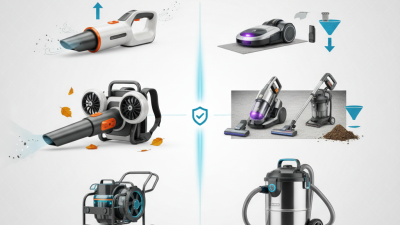
When diving into the variety of oil vacuums available, understanding their distinct types is essential. There are two main categories: portable and stationary vacuums. Portable models offer flexibility and can be easily moved around. This is ideal for businesses that require cleaning in multiple locations. However, these models often have smaller capacities, which may necessitate more frequent emptying.
On the other hand, stationary vacuums are designed for fixed locations. They typically possess larger tanks and can handle more substantial oil volumes. This makes them suitable for heavy-duty operations like manufacturing. Yet, implementing a stationary system can require more effort in terms of installation and maintenance. Consideration of your workspace's flow and layout can reflect on the choice of vacuum. If installation takes more time than intended, it could disrupt regular operations.
The choice of vacuum should also align with specific business needs. Think about how often you will use the vacuum. Frequent use may favor a durable, high-capacity vacuum. Conversely, sporadic use might not warrant such an investment. Each type has its pros and cons that deserve careful evaluation. Understanding these subtleties can significantly influence efficiency in oil management processes.
Identifying Your Specific Business Needs and Requirements
Identifying your specific business needs is crucial when choosing an oil vacuum. Start by assessing the volume of oil waste your business generates. For example, a facility producing over 1,000 liters of waste oil per month may require a higher capacity vacuum compared to a smaller operation. According to industry reports, companies can save up to 30% in disposal costs by selecting the correct equipment for their needs.
Consider the type of oil you handle. Different oils require different handling methods. For instance, a synthetic oil may have specific vacuuming needs compared to conventional oils. Understanding these differences will help streamline your operations.
Choose a vacuum that offers flexibility. Many operations experience fluctuating waste volumes. A model that can adapt to varying capacities and types of oil will provide long-term value. Remember to reflect on your team's ability to use and maintain the equipment effectively. Proper training and familiarity with the tools can significantly decrease operational errors.
Evaluating Key Features and Specifications of Oil Vacuums
When evaluating oil vacuums, key features play a crucial role in meeting business needs. A strong motor ensures efficient suction power. Look for models with at least 1.5 horsepower. This level offers the right blend of power without overwhelming the unit. The capacity of the tank is also significant. An optimal size reduces the frequency of dumping. However, a larger tank may increase overall weight, making maneuvers more difficult.
Consider the filtration system. The effectiveness of filters can significantly impact performance and maintenance. Multi-stage filters capture finer particles, prolonging the vacuum's lifespan. Ensure that replacement filters are readily available. Ease of maintenance is critical but often overlooked. The design should allow for quick access to components. This aspect saves time during routine checks.
Portability is another concern. Choose models with wheels or ergonomic designs. These features facilitate movement around the workspace. However, balancing portability and stability is a challenge. High mobility may sacrifice stability during heavy tasks. Reflect on the environment where the vacuum will be used. Each space has unique requirements that demand different specifications.
Comparing Prices and Brands for the Best Value Proposition
When selecting an oil vacuum, it's essential to compare prices and brands to find the best value. Start by analyzing the specifications of different models. Look for airflow rates, capacity, and filtration systems. They play a key role in performance and efficiency. Higher-priced options often offer better durability and advanced features, but this isn’t always the case.
It’s crucial to set a budget. Prices can vary greatly, so identify which features matter most. Sometimes, a mid-range model can meet your needs without breaking the bank. Read reviews to gauge user experiences. This information helps in understanding how well a product holds up under daily demands.
Consider the warranty and customer support provided by the manufacturer. Even the best products may require assistance at some point. Evaluate if the brand has a reliable reputation for service. This can save you time and frustration in the long run. Balancing quality and cost is necessary for making an informed decision.
How to Choose the Best Oil Vacuum for Your Business Needs?
| Model |
Capacity (Liters) |
Power (W) |
Weight (kg) |
Price ($) |
Warranty (Years) |
| Model A |
50 |
1200 |
25 |
350 |
2 |
| Model B |
100 |
1500 |
30 |
450 |
3 |
| Model C |
75 |
1300 |
28 |
400 |
2 |
| Model D |
60 |
1100 |
27 |
320 |
1 |
| Model E |
80 |
1400 |
29 |
380 |
4 |
Reading Reviews and Seeking Recommendations for Reliable Models
When selecting an oil vacuum for your business, reviews and recommendations are crucial. They provide insights into real-life performance and reliability. Start by checking online forums and customer feedback on various models. Look for common themes in the reviews. Users often highlight specific features that work well or problems they faced.
Seek recommendations from trusted professionals in the industry. Engage with colleagues who have experience using oil vacuums. Their firsthand knowledge can guide your choice. Don't shy away from asking detailed questions. Understanding their experiences can uncover potential issues or benefits you may not have considered.
Pay attention to the durability and efficiency of various models. Some vacuums may promise high performance but fail in real-world applications. Reflect on the insights gathered from reviews and recommendations. Not every vacuum will fit your unique business needs. It’s important to weigh all factors before making a decision.
Oil Vacuum Types and Their Ratings