How to Choose Custom Engineering Solutions for Global Sourcing?
In the competitive landscape of global sourcing, selecting the right custom engineering solutions is crucial for success. Businesses face myriad options that promise to improve efficiency and innovation. However, navigating this complexity can be daunting. Custom engineering is not a one-size-fits-all approach; it requires careful consideration of specific needs and goals.
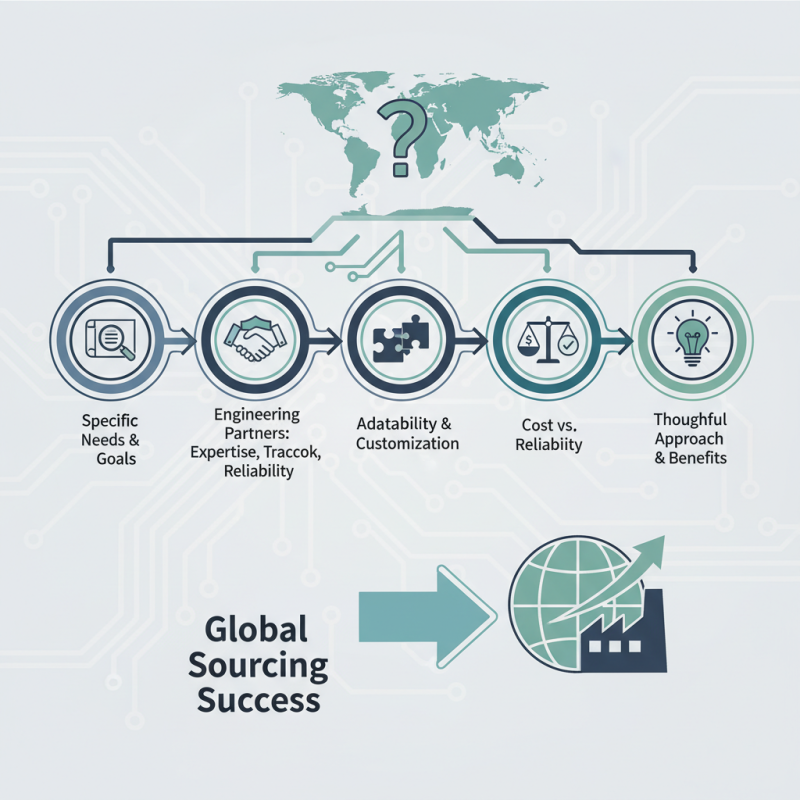
Effective collaboration with engineering partners can lead to tailored solutions. You need to assess their expertise, track record, and reliability. Past projects can provide valuable insights into their capabilities. However, it’s vital to remember that not all solutions will fit your unique business model perfectly. Some may require adaptations to suit your specific demands.
Moreover, the cost can also be a factor that merits scrutiny. Overly cheap solutions may compromise quality. Therefore, striking a balance between budget and reliability is essential. Ultimately, a thoughtful approach toward custom engineering can yield significant benefits, but it demands a clear understanding of what your business truly needs.
Understanding Global Sourcing in Custom Engineering Solutions
Global sourcing in custom engineering solutions involves sourcing materials and services from international suppliers. This strategy aims to reduce costs, leverage expertise, and enhance innovation. Understanding this process is crucial for engineers and businesses looking to remain competitive.
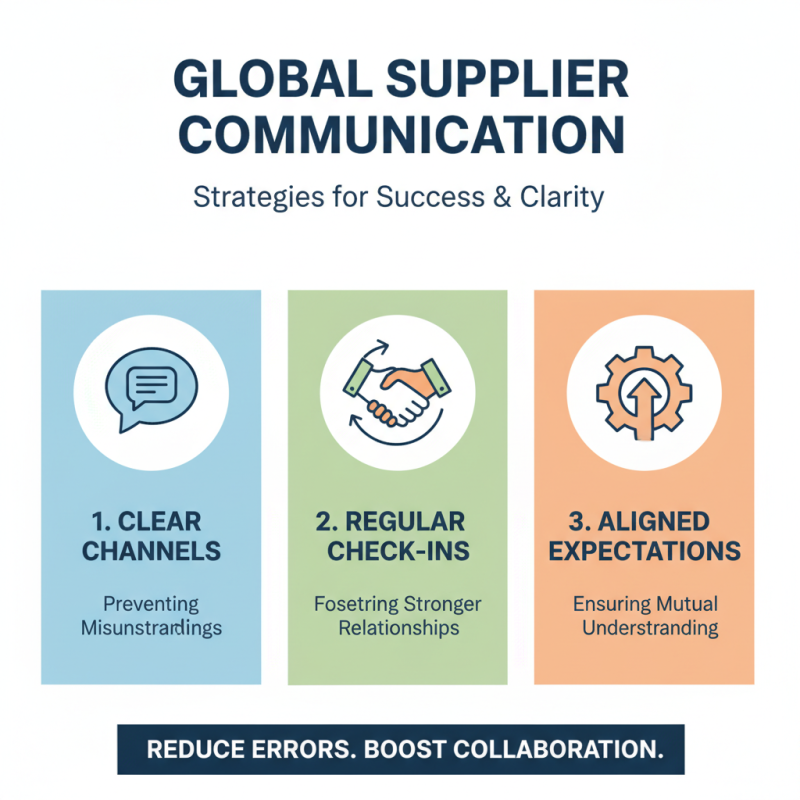
When selecting global partners, consider their expertise and reputation. Evaluate their past projects and client feedback. Cultural differences can complicate communication. Misunderstandings might lead to project delays or unsatisfactory results. Regular updates and clear channels of communication help mitigate these risks.
Exploring various regions can yield diverse solutions. Some regions specialize in specific technologies, while others may offer cost advantages. However, not all countries maintain the same quality standards. It's essential to balance cost with reliability. Continuous assessments of your partners are vital. This ensures that they meet your evolving needs and quality expectations.
How to Choose Custom Engineering Solutions for Global Sourcing?
| Dimension |
Considerations |
Importance Level (1-5) |
| Supplier Capability |
Assess technical skills, technology access, and experience |
5 |
| Cost Management |
Evaluate pricing models, total cost of ownership |
4 |
| Quality Assurance |
Ensure compliance with international standards |
5 |
| Communication Skills |
Check language proficiency and response times |
4 |
| Logistics & Supply Chain |
Review shipping times, inventory management, and customs procedures |
3 |
| Cultural Compatibility |
Understand business practices and regional customs |
3 |
| Innovation Potential |
Assess ability to adapt and create new solutions |
4 |
Identifying Your Specific Engineering Needs and Requirements
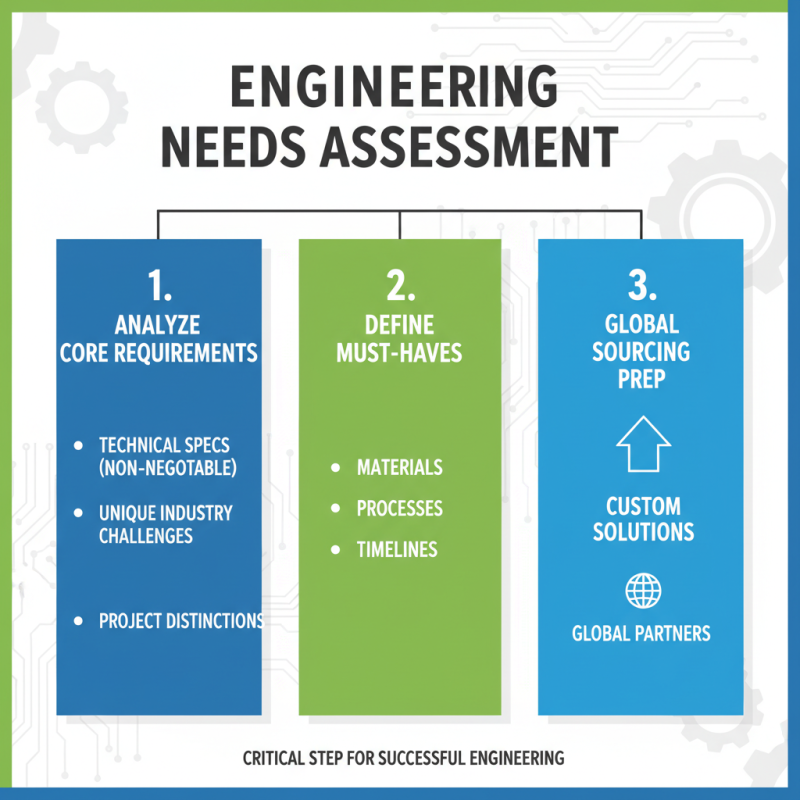
Identifying your specific engineering needs is a critical step in choosing custom engineering solutions for global sourcing. Begin by analyzing the core requirements of your project. What are the technical specifications you cannot compromise on? Are there unique challenges that your industry faces? Understand the distinctions that set your project apart. Create a detailed list of your must-haves, including materials, processes, and timelines.
Next, assess your current capabilities and any gaps that may exist. This self-evaluation is often overlooked yet essential. Be honest about the resources you have at your disposal. Consider whether you have the right expertise in-house or if you need to partner with external specialists. Sometimes, seeking assistance can feel daunting. However, recognizing your limitations can be a strength, leading to better results.
Furthermore, it’s wise to involve team members from various departments in the discussion. Their perspectives can highlight different aspects of your engineering needs. Collaboration often uncovers insights that a single viewpoint might miss. While the process can be challenging, especially in aligning diverse opinions, the outcome is worth the effort. It creates a more comprehensive understanding and sets a solid foundation for selecting effective engineering solutions.
Evaluating Suppliers Based on Experience and Expertise
Choosing the right supplier for custom engineering solutions is crucial. Evaluating suppliers based on their experience and expertise is a reliable way to ensure quality. A supplier with extensive experience likely understands industry challenges better. Their past projects may reflect their ability to adapt and innovate. Look for suppliers who showcase their successful projects and client testimonials.
When assessing expertise, consider technical proficiency. Check if the supplier has certifications or qualifications relevant to your needs. A good supplier often provides insights into their processes. They should communicate clearly about their engineering methods. Ask about their team's professional background. This will give you a sense of their problem-solving capabilities.
Tips:
- Review case studies detailing past work.
- Speak with previous clients about their experiences.
- Be prepared to ask tough questions. Suppliers should welcome scrutiny. It shows their commitment to transparency and quality. Remember, a little skepticism can lead to better decision-making. Evaluate suppliers thoroughly to find the best fit for your project.
Supplier Evaluation Criteria for Custom Engineering Solutions
Assessing Quality Assurance Standards in Custom Engineering
When assessing quality assurance standards in custom engineering solutions, consider the nuances of global sourcing. A comprehensive study by Deloitte reveals that 38% of firms cite quality issues as a barrier to effective outsourcing. This indicates the importance of evaluating the reliability of your engineering partners. Ensure they adhere to relevant international standards, such as ISO 9001, which emphasizes a robust quality management system. These frameworks enhance trust in the engineering processes.
Tips: Investigate suppliers' certifications thoroughly. Ask for documentation that verifies compliance with recognized quality assurance standards. Schedule regular audits to proactively identify potential issues.
It's essential to recognize that even reputed firms may face quality challenges. A survey from PwC shows that 28% of product recalls result from manufacturing defects. Engaging in a continuous feedback loop with your suppliers is vital. This fosters accountability and drives improvements in quality. By focusing on these aspects, you increase the likelihood of receiving high-quality custom engineering solutions, minimizing risks associated with global sourcing.
Tips: Establish clear communication channels with your suppliers. Frequent check-ins can reveal insights into their quality practices. Embrace a culture of collaboration to enhance overall results.
Implementing Effective Communication Strategies with Global Suppliers
Effective communication strategies are crucial when working with global suppliers. Establishing clear lines of communication can prevent misunderstandings that may lead to costly errors. Regular check-ins can foster better relationships and ensure everyone is aligned on expectations.
Cultural differences can impact communication styles. Some cultures may prioritize directness, while others may favor a more nuanced approach. Recognizing these differences is key. Utilizing visual aids or translations can bridge language barriers. However, relying solely on technology may make nuances lost. It's essential to ensure that both parties understand the message.
Feedback loops help improve communication. Encourage suppliers to share their input, creating a collaborative atmosphere. Listening to their perspectives can reveal potential issues before they become problems. However, be prepared for challenges. Misinterpretations may occur, and assumptions can lead to unnecessary conflicts. Regular reviews can help address these issues proactively.