The Best 5 Ac Vacuum Pumps for Efficient HVAC Maintenance?
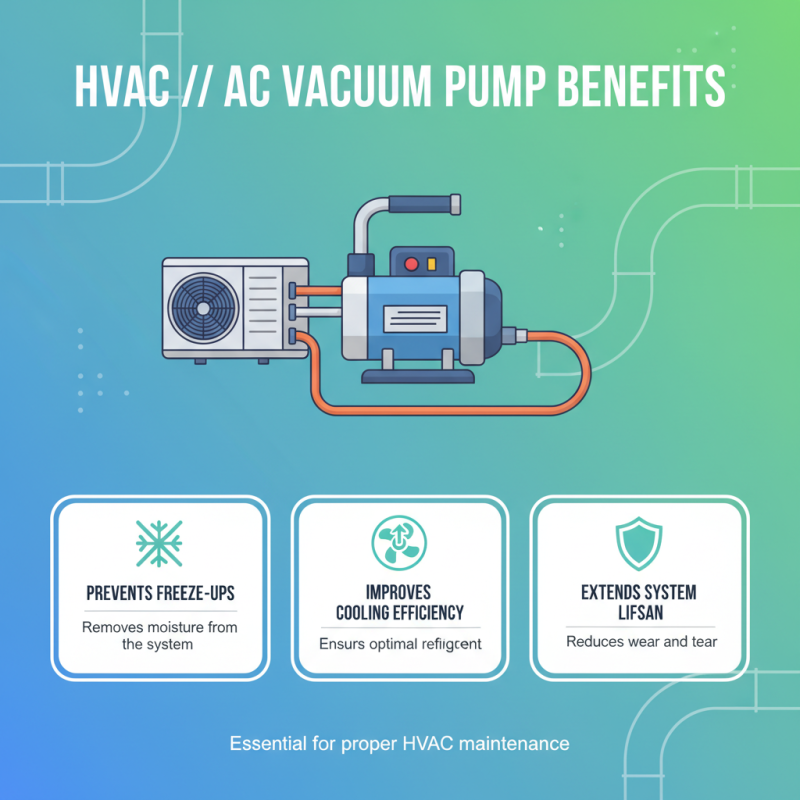
When it comes to HVAC maintenance, having the right tools is crucial. Among these tools, an AC vacuum pump stands out as essential for achieving optimal results. This device is designed to remove moisture and air from refrigeration systems, ensuring efficient operation. However, not all vacuum pumps are created equal. Choosing the best model can greatly impact your service quality.
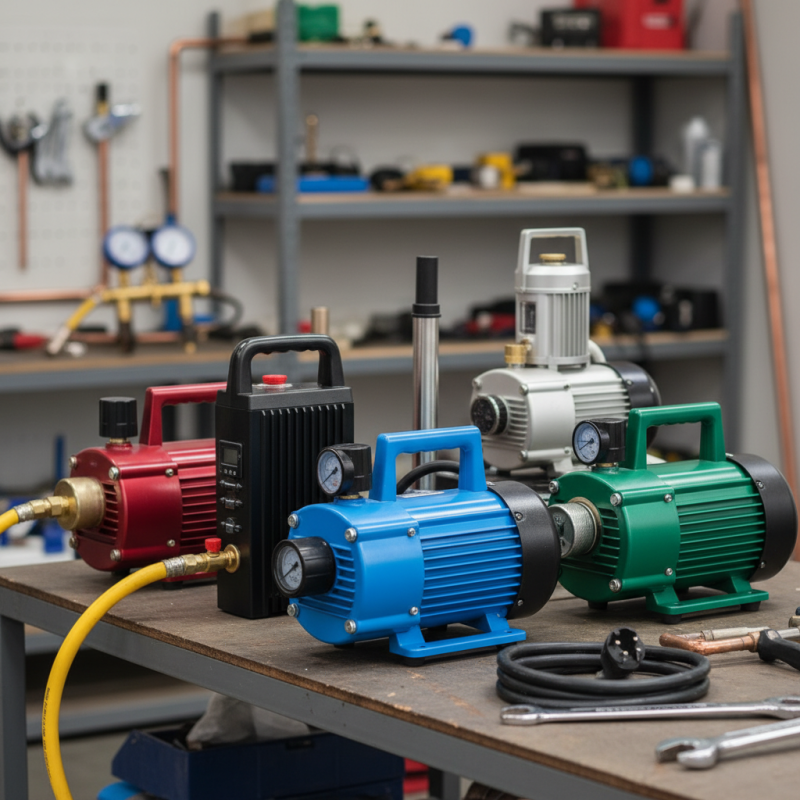
Various AC vacuum pumps offer different features and capabilities. Some are portable, making them easy to use in tight spaces. Others are more powerful and suited for professional use. It's important to consider factors like durability and performance. We often overlook the significance of these details, yet they play a vital role in everyday tasks.
Selecting an AC vacuum pump isn't always straightforward. Users face challenges in finding a model that fits their specific needs. It's a learning process that can include trial and error. Understanding what to look for in a vacuum pump can lead to better HVAC performance and customer satisfaction. This guide will highlight the top five AC vacuum pumps worth considering.
Overview of AC Vacuum Pumps and Their Importance in HVAC Maintenance
AC vacuum pumps play a critical role in HVAC maintenance. By removing moisture and air from refrigerant lines, they help achieve optimal system performance. According to industry reports, nearly 90% of HVAC failures can be traced back to moisture contamination. This highlights the need for reliable vacuum pumps during installation and servicing.
In practice, many technicians underestimate their importance. Proper evacuation techniques can significantly enhance system efficiency. A vacuum level of 500 microns is often recommended to ensure effective moisture removal. Ignoring this standard can lead to compressor damage and decreased longevity of the HVAC system.
Tips: Always check for leaks before connecting the vacuum pump. Regular maintenance of your vacuum pump itself is crucial for consistent performance. Operators should be mindful of their pump’s specifications and capabilities to avoid potential issues. Evaluate your equipment and replace it when necessary. This could save time and costs in the long run.
Key Features to Look for in the Best AC Vacuum Pumps
When selecting an AC vacuum pump, consider crucial features that enhance performance. Look for a comprehensive airflow rate. A higher airflow ensures quicker evacuation of moisture and air, which is vital for efficient HVAC maintenance. Also, a durable motor is essential. It should handle demanding tasks without overheating. Pumps with thermal protection extend lifespan.
Portability is another key factor. A lightweight design allows easy transport between job sites. Additionally, check the pump’s oil capacity. Larger tanks mean longer intervals before refilling. This is especially beneficial during extensive service tasks.
Noise levels can impact your work environment as well. Some pumps operate quietly, making them more suitable for residential areas. Regular maintenance features are worth noting too. Easy-access ports simplify oil changes, saving time.
Each feature requires careful consideration. Sometimes, you may overlook specific needs, which could lead to inefficiencies. Choosing the right vacuum pump can greatly affect the outcome of your HVAC jobs. Reflect on what matters most to ensure optimal performance.
Comparison of Performance and Pricing for Selected Vacuum Pumps
Choosing the right vacuum pump for HVAC maintenance is crucial. An effective pump can make a big difference in system performance. When comparing various models, consider factors like airflow, recovery speed, and final vacuum levels. Some pumps boast impressive specs but may falter in real-world applications. Performance can vary widely, and it’s essential to analyze reviews and user experiences.
Pricing is another critical aspect. High cost doesn’t always guarantee quality. Some budget-friendly options perform just as well as pricier counterparts. Investing wisely can save money in the long run. Consider features that match your specific needs. A pump with a strong warranty might provide peace of mind. However, cheap models may lack durability.
Ultimately, thorough research is necessary. Performance data should guide your choice. Check how many CFM the pump can handle. Ensure it meets your application requirements. It’s also essential to know its noise level. Some pumps are surprisingly loud. Reflection on these details helps in selecting the best option for efficient HVAC maintenance.
The Best 5 AC Vacuum Pumps for Efficient HVAC Maintenance
Tips for Proper Use and Maintenance of AC Vacuum Pumps
Proper use and maintenance of AC vacuum pumps are critical for efficient HVAC systems. These pumps help remove moisture and air from refrigerant lines, ensuring optimal performance. A well-maintained pump can enhance system efficiency by up to 20%, according to industry studies. Neglecting maintenance can lead to reduced performance and increased wear on system components.
To ensure longevity, consider these tips. Regularly check oil levels and quality. Old or contaminated oil can impair pump function. Replace oil according to the manufacturer’s recommendations. It’s also essential to install an inline filter. This prevents debris from entering the pump and damaging internal components. Keep the pump on a stable surface to avoid vibrations that can lead to misalignment.
Additionally, always take the time to inspect hoses and connections for leaks. A minor leak can compromise vacuum levels, leading to inefficient system performance. After each use, clean the pump and store it properly. Dust and debris can cause damage over time. Proper care leads to better efficiency and longer equipment life. In the HVAC industry, overlooking these details can result in costly repairs.
The Best 5 Ac Vacuum Pumps for Efficient HVAC Maintenance
| Model |
Ultimate Vacuum (inHg) |
CFM (Cubic Feet per Minute) |
Motor Power (HP) |
Weight (lbs) |
Noise Level (dB) |
| Model A |
-29.5 |
5.0 |
0.5 |
15 |
65 |
| Model B |
-28.5 |
4.5 |
0.75 |
12 |
70 |
| Model C |
-29.0 |
6.5 |
1.0 |
18 |
68 |
| Model D |
-30.0 |
7.0 |
1.5 |
20 |
60 |
| Model E |
-29.5 |
5.5 |
1.0 |
17 |
67 |