What Are the Benefits of Using Rotary Vane Pumps?
The rotary vane pump is a versatile and reliable tool in various industries. According to Dr. Emily Carter, an expert in fluid dynamics, "A rotary vane pump efficiently handles diverse fluids and enhances system performance." This statement highlights the benefits of using rotary vane pumps in real-world applications.
In many sectors, these pumps excel by providing consistent flow rates and pressure stability. They are commonly used in hydraulic systems, vacuum applications, and even in automotive engines. The design allows for efficient operation, minimizing energy consumption while maximizing output.
However, some users may overlook maintenance, which is crucial for optimal performance. Regular checks can prevent wear and prolong the pump's lifespan. Recognizing these aspects ensures that a rotary vane pump delivers its best performance while addressing potential issues effectively. Adjustments and proactive measures can lead to improvements in efficiency and reliability.
Overview of Rotary Vane Pumps and Their Functionality
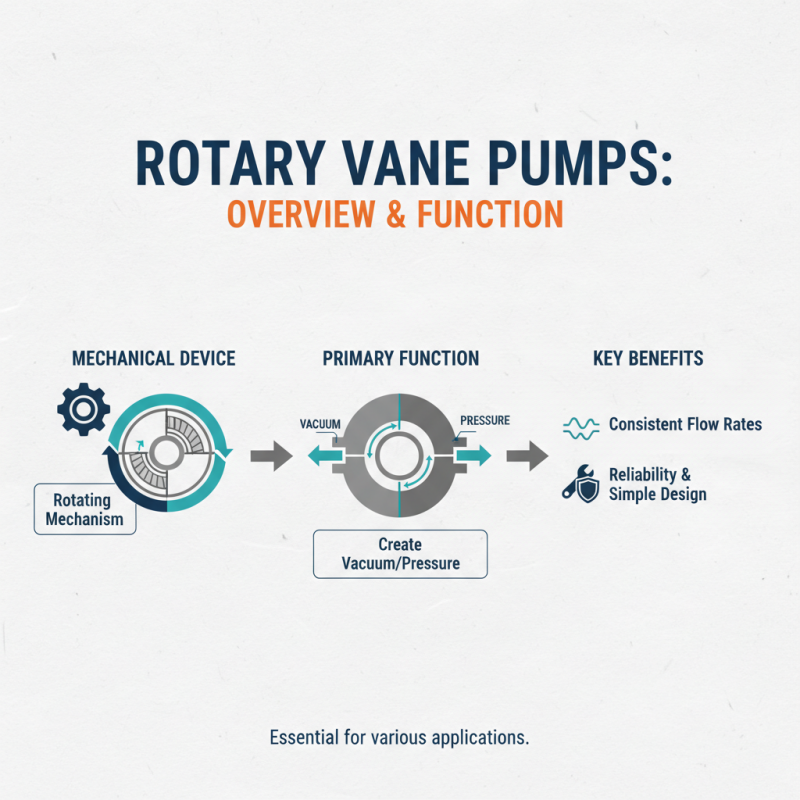
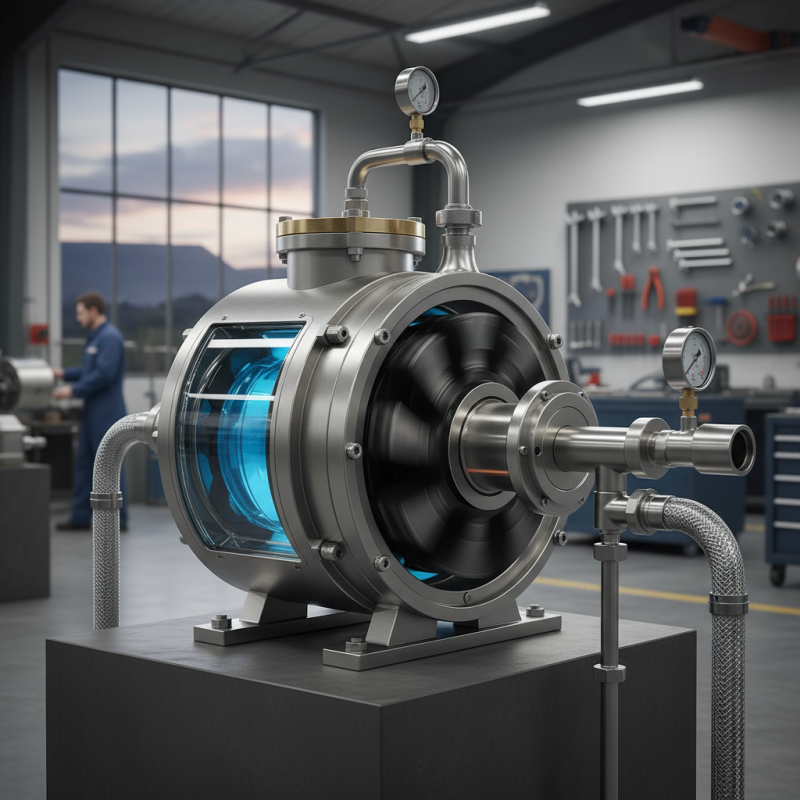
Rotary vane pumps are essential in various applications. These mechanical devices operate using a rotating mechanism. The primary function involves creating a vacuum or pressure by moving fluid within a sealed chamber. This design allows for consistent flow rates. The simplicity of the construction contributes to their reliability.
One significant advantage of rotary vane pumps is their ability to handle both gases and liquids. They excel in applications ranging from vacuum packaging to automotive systems. The operational noise is relatively low, making them suitable for sensitive environments. However, the efficiency can decline if the pump is not maintained properly. Users often overlook regular maintenance, leading to performance issues.
Another aspect to consider is the potential for wear over time. The vanes can become less effective as they age. This issue highlights the necessity of routine inspections. Operators often need to be mindful of the operating conditions. Harsh environments can impact pump longevity. Understanding these factors improves decision-making regarding pump use and maintenance.
Key Advantages of Using Rotary Vane Pumps in Various Applications
Rotary vane pumps are increasingly favored across various industries due to their unique advantages. These pumps excel in providing consistent flow rates, making them ideal for applications requiring reliable performance. According to a recent industry report, rotary vane pumps can maintain up to 90% efficiency in specific conditions, outperforming many other designs. This efficiency translates into lower energy costs, especially in processes like chemical transfer and vacuum applications.
Another critical benefit is their versatility. Rotary vane pumps can handle a wide range of fluids, including gases and low-viscosity liquids. This adaptability is vital in sectors like automotive and food processing. A survey indicates that over 70% of engineers prefer rotary vane technology for its ability to function effectively under different operating conditions. Moreover, the design ensures minimal maintenance, requiring attention only every 2,000 hours of operation.
Despite their benefits, users must be aware of potential downsides, such as sensitivity to contamination. Regularly monitoring fluid quality can mitigate this risk. It’s also crucial to note that while these pumps offer robustness, they may require specific installation configurations to perform optimally. Understanding these nuances can help industries leverage the full potential of rotary vane pumps efficiently.
Benefits of Using Rotary Vane Pumps
The chart below illustrates various advantages of rotary vane pumps in different applications, highlighting their efficiency, reliability, and versatility.
Comparison of Rotary Vane Pumps with Other Pump Types
When comparing rotary vane pumps to other pump types, several distinct advantages emerge. Rotary vane pumps excel in creating a steady, low-pulsation flow. This makes them ideal for applications demanding precision, such as in laboratory settings or when handling sensitive fluids. Their design allows for consistent performance across various pressures, often outperforming positive displacement pumps in efficiency.
On the other hand, centrifugal pumps, while popular, can struggle with liquids that have high viscosities. They often require priming and can introduce pulsations in the flow. Rotary vane pumps, in contrast, can handle thicker fluids without significant changes in performance. However, users must consider their maintenance needs. Rotary vane pumps may require more frequent servicing compared to simpler designs like gear pumps.
Another point of comparison is power consumption. Rotary vane pumps are generally more energy-efficient than some other types. This efficiency is crucial in reducing operational costs. Yet, it’s worth noting that if not correctly matched to the application, they can lead to excessive wear. Therefore, proper selection and maintenance are essential to maximizing their benefits. Each pump type has unique characteristics, making the choice dependent on specific application needs and conditions.
Maintenance and Longevity Benefits of Rotary Vane Pumps
Rotary vane pumps are known for their efficiency and reliability in various applications. One of the most significant benefits is their low maintenance requirements. They operate smoothly with minimal friction, reducing wear and tear. This design extends the lifespan of the pump, making it a cost-effective choice for many industries.
Moreover, proper maintenance can further enhance the longevity of rotary vane pumps. Regular checks on the vanes and lubricants can prevent unexpected breakdowns. Simple actions like cleaning the pump components ensure they function optimally. Even small impairments can lead to reduced efficiency, so vigilance is crucial.
However, maintenance should not be overlooked. Some users fail to follow recommended procedures, leading to premature failure. Understanding the importance of routine inspections can help prevent costly repairs. Investing time in maintenance pays off by enhancing each pump’s longevity and efficiency. It’s a balance worth considering.
Applications and Industries That Benefit from Rotary Vane Pumps
Rotary vane pumps have carved a niche in diverse industries due to their versatility and efficiency. In the oil and gas sector, these pumps are crucial for transfer applications. According to a recent report by MarketsandMarkets, the global rotary pump market is expected to reach $7 billion by 2025. This indicates a growing recognition of their reliability and durability in even the toughest environments.
In the food and beverage industry, rotary vane pumps excel in transferring viscous liquids. They are ideal for handling syrup, sauces, and dairy products. Their ability to maintain product integrity with minimal shear stress is invaluable. The Food Processing Technology report highlights that pumps in this sector must meet stringent hygiene standards, and rotary vane pumps often exceed these requirements.
The automotive industry also benefits significantly from rotary vane pumps. They are used in systems requiring consistent fluid delivery, such as brake and power steering systems. The efficiency and compact design allow for better performance with reduced maintenance. However, challenges exist, such as compatibility with various fluids and the need for regular maintenance checks. Balancing efficiency with these concerns is crucial for optimal performance in demanding applications.