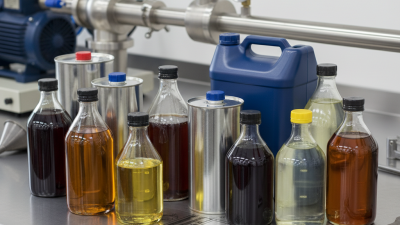
Choosing the right vacuum pump oil is becoming a purchasing decision, not a routine maintenance task. Global buyers now face mineral oils, synthetic hydrocarbons, ester fluids, and PFPE formulations. Each option behaves differently under heat, oxygen, moisture, and chemical exposure.
MarketsandMarkets valued the global vacuum pumps market at approximately USD 6.5 billion in 2023. Its report also projects steady growth through 2028, supported by semiconductor, pharmaceutical, food-processing, and chemical production. These figures describe pumps, not oil alone. However, they reveal expanding demand for reliable vacuum-fluid performance. Grand View Research similarly identifies manufacturing and process automation as major growth drivers. Reported values vary between firms. That inconsistency deserves attention.
John F. O’Hanlon, author of A User’s Guide to Vacuum Technology, states, “The ultimate pressure is determined by the vapor pressure of the pump fluid.” This principle remains practical on the factory floor. A technician can see it in a hazy sight glass, rising exhaust mist, or unstable pressure readings. Good vacuum pump oil must match the pump design, operating temperature, gas load, and target pressure. Low vapor pressure matters. Oxidation resistance matters more in hot, continuous service. PFPE may suit aggressive chemistry, but its cost can be substantial.
This guide compares the leading vacuum pump oil types for global buyers in 2026. It considers viscosity, vapor pressure, service life, compatibility, and total operating cost. No oil is perfect. A cheaper drum may become expensive after frequent changes, contaminated filters, and lost production time. Clear specifications and supplier traceability should guide the final decision.

2026 Top Vacuum Pump Oil Types for Global Buyers
2026 Vacuum Pump Oil Market Scope: ISO VG 32–150 Grades and Buyer Needs
For global buyers, vacuum pump oil selection begins with viscosity. ISO VG 32, 46, 68, 100, and 150 cover many operating conditions. VG 32 moves easily during cold starts and supports high-speed pumps. VG 68 and 100 provide stronger film protection under warmer loads. VG 150 suits slower systems with wider clearances. A heavier grade is not automatically better.
Mineral oil remains practical for standard duty and controlled temperatures. Synthetic PAO oil can offer improved oxidation resistance during long operating cycles. Ester-based options may handle heat well, but seal compatibility requires careful checking. Pump type, ultimate pressure, inlet gas, and moisture exposure should guide the decision. Vapor pressure matters greatly. A low-volatility oil helps protect deep-vacuum performance. Published data can look precise, yet real results may differ after contamination or repeated heating.
Buyer needs also include packaging and traceability. A sealed 20-liter container should show the grade, batch number, production date, and storage guidance. Ask for viscosity data at 40°C, pour point, flash point, and vapor pressure. Confirm compatibility with existing seals and internal materials. Field records often reveal an overlooked issue: wrong oil grade is not the only cause of poor vacuum. Leaking hoses, dirty filters, and excessive moisture can create similar symptoms. Small details matter.
2026 Vacuum Pump Oil Market Scope: ISO VG 32–150 Grades and Buyer Needs
Data basis: ISO VG grades define nominal kinematic viscosity at 40°C. The displayed ranges use the ISO 3448 viscosity-grade tolerance of ±10% around each nominal grade.
Mineral oil remains a cost-efficient choice for rotary-vane vacuum pumps operating below 100°C. Its stable lubrication helps protect vanes, bearings, and internal sealing surfaces during routine vacuum work. It also offers predictable availability for global buyers. In many workshops, technicians choose it for packaging, light forming, and laboratory duties. However, “below 100°C” should not be treated as a universal guarantee. Oil temperature, pressure range, and contamination levels can change performance quickly.
Observe the oil through the sight glass. Clear amber oil is usually acceptable, while cloudy, dark, or strongly smelling oil deserves attention. Moisture can reduce lubrication and increase corrosion risk. Mineral oil may also perform poorly with aggressive chemicals, heavy solvent vapors, or oxygen-rich processes. Check the pump manual before selecting viscosity, vapor-pressure rating, and replacement intervals. A lower purchase price can become expensive if oil mist, overheating, or frequent changes follow. This is easy to overlook.
Tips: Keep the reservoir clean and record each oil change. Let the pump cool before draining, but avoid unnecessary delays. Inspect exhaust filters regularly. Start with the manufacturer’s recommended grade, then adjust only after measured operating data. A practical test is useful: compare ultimate pressure, running noise, and oil temperature before and after replacement. Results may differ between similar pumps, so assumptions should be questioned.
2026 Top Vacuum Pump Oil Types for Global Buyers
Synthetic PAO and ester oils are gaining attention in vacuum applications because operating conditions rarely stay stable. PAO oils offer strong oxidation resistance and reliable flow during cold starts. Their low-temperature performance helps pumps operate in warehouses, laboratories, and outdoor facilities. Ester oils provide excellent lubricity and can perform well under high thermal stress. Their polar structure may also improve surface protection inside moving components.
The wider temperature range sounds attractive, but it is not automatic. Ester formulations can react differently to moisture, seals, and process chemicals. PAO oils may require careful additive selection for demanding vacuum levels. In field inspections, oil discoloration, foaming, or unusual noise often reveals a mismatch before a serious failure occurs. A suitable viscosity grade still matters. I have seen buyers focus on temperature limits and overlook material compatibility. That mistake can become expensive.
Tips: Check the pump manual, seal materials, expected inlet temperature, and contamination risks. Compare viscosity at both startup and operating temperature. Change oil after confirming the cause of degradation, not only after a fixed calendar period. Small test batches are sensible for unfamiliar ester formulations. A clean calculation can still miss real operating conditions. Track current, noise, oil color, and vacuum readings after each change. Reliable records support better purchasing decisions across different climates.
| Vacuum Pump Oil Type | Base-Fluid Chemistry | Typical ISO Viscosity Grades at 40°C | Typical Service Temperature Range | Oxidation Stability | Low-Temperature Performance | High-Temperature Performance | Typical Applications | Main Purchasing Considerations |
|---|---|---|---|---|---|---|---|---|
| Mineral Oil | Highly refined petroleum hydrocarbon | ISO VG 46, 68, 100 and 150 | Approximately −20°C to 100°C | Moderate; more sensitive to heat and air exposure than most synthetic options | Acceptable for standard ambient conditions; viscosity increases more rapidly in cold environments | Suitable for moderate thermal loads when oil temperature is properly controlled | General-purpose rotary vane pumps, intermittent-duty systems and cost-sensitive installations | Lowest initial cost; confirm oil-change intervals and compatibility with pump seals |
| Synthetic PAO Oil | Polyalphaolefin hydrocarbon | ISO VG 32, 46, 68, 100 and 150 | Approximately −40°C to 130°C | High; typically provides longer oxidation resistance than mineral oil | Excellent fluidity during cold starts and low-ambient operation | Good thermal stability and reduced deposit formation under continuous duty | Rotary vane pumps, mobile equipment, cold-room systems and extended-service applications | Strong balance of service life, temperature range and hydrocarbon compatibility; check elastomer suitability |
| Diester Oil | Organic ester, commonly a diester formulation | ISO VG 32, 46, 68 and 100 | Approximately −35°C to 150°C | High when moisture and contamination are controlled | Very good low-temperature flow and rapid circulation after startup | Very good high-temperature lubricity and deposit control | High-duty rotary vane pumps, laboratory systems and applications with frequent temperature cycling | Check water tolerance, hydrolysis resistance and seal compatibility before conversion from mineral oil |
| Polyol Ester Oil | Polyol ester synthetic base fluid | ISO VG 32, 46, 68 and 100 | Approximately −40°C to 160°C | High, provided the formulation is protected from excessive moisture | Excellent low-temperature mobility in suitable grades | Excellent lubricity and thermal performance at elevated oil temperatures | High-temperature vacuum service, demanding laboratory equipment and specialized process pumps | Evaluate moisture control, hydrolytic stability and compatibility with existing oil residues |
| PFPE Oil | Perfluoropolyether | Specialty grades; ISO VG classification varies by formulation | Approximately −20°C to 260°C | Extremely high; chemically inert and highly resistant to oxidation | Grade-dependent; some formulations require controlled startup temperatures | Excellent for extreme-temperature and chemically aggressive environments | Oxygen service, semiconductor processing, high-temperature vacuum systems and reactive-gas applications | Highest acquisition cost; do not mix with hydrocarbon, PAO or ester oils unless specifically approved |
| PAG Oil | Polyalkylene glycol | ISO VG 32, 46, 68 and 100 | Approximately −40°C to 150°C | Good to high, depending on formulation and operating atmosphere | Very good in appropriately selected low-viscosity grades | Good thermal performance, with formulation-specific limits | Selected specialty vacuum systems, gas-handling equipment and applications requiring high polarity | Compatibility is critical; PAG can behave differently from hydrocarbon oils with seals, coatings and residues |
| Food-Grade Synthetic Oil | Usually synthetic hydrocarbon or ester base fluid formulated for incidental food contact requirements | Commonly ISO VG 46, 68 and 100 | Approximately −30°C to 140°C | Moderate to high, depending on the formulation | Good in approved low-temperature grades | Good for regulated processing environments within the stated temperature limit | Food, beverage and pharmaceutical vacuum packaging or processing equipment | Verify the applicable food-contact registration, viscosity grade and equipment-manufacturer approval |
| Buyer note: Temperature ranges and viscosity grades are typical industry ranges, not universal specifications. Actual limits depend on pump design, operating pressure, gas composition, speed, oil level, seals, contamination and manufacturer approval. ISO VG numbers refer to nominal kinematic viscosity grades at 40°C; always follow the pump manufacturer’s oil specification and avoid mixing different base-fluid chemistries without documented approval. | ||||||||
PFPE oils offer nonflammable lubrication for vacuum pumps handling oxygen, strong oxidizers, and corrosive gases. Their chemical stability helps reduce reactions inside the pump. They also maintain performance across demanding temperature ranges. That matters in oxygen service.
However, nonflammability does not remove every operating risk. Oxygen systems require strict cleaning, controlled assembly, and suitable materials throughout the pump. A small hydrocarbon residue can create a serious compatibility concern. PFPE oil alone cannot correct poor preparation. Buyers should follow the pump maker’s instructions and recognized oxygen-service procedures.
Corrosive gases create another challenge. PFPE fluids resist many aggressive chemicals, but seals, bearings, and metal surfaces may not share that resistance. Field inspection should check oil color, viscosity, deposits, and unusual noise. The wrong grade can increase starting torque or reduce lubrication at low pressure. I have seen this overlooked.
Selection should match pump design, gas composition, temperature, and service interval. Check vapor pressure and viscosity carefully. Ask for fluid compatibility data, safety documentation, and cleanliness requirements. A practical trial under real load is often valuable. Do not rely on a catalog label alone.
PFPE oils usually cost more than conventional fluids. Yet longer service life and safer oxygen handling may justify the investment. Still, every installation is different. That deserves a second look.
2026 Top Vacuum Pump Oil Types for Global Buyers
Choosing vacuum pump oil requires more than comparing viscosity grades. Mineral oils suit many rotary-vane pumps and offer practical cost control. Synthetic hydrocarbon oils resist oxidation better during long operating cycles. Ester-based oils can improve cleanliness, but moisture sensitivity needs attention. PFPE oils support demanding chemical environments, although their cost is substantially higher.
Vapor pressure is a key screening value. Lower vapor pressure usually supports cleaner vacuum readings and reduces oil backstreaming. Check the value at the actual operating temperature, not only at room temperature. Viscosity affects starting torque, sealing, and heat transfer. ASTM D445 helps verify kinematic viscosity, while evaporation tests can reveal losses during hot operation. Do not compare results from different temperatures as if they were identical.
Ultimate pressure should come from a complete pump test, with leaks, gas ballast, and oil temperature controlled. ASTM D2879 may assist vapor-pressure evaluation, but method suitability depends on the formulation. I have seen acceptable laboratory data fail in dusty workshops. The oil was not the only problem. Contamination, worn seals, and incorrect fill levels changed the result. Request test conditions, repeatability data, and batch traceability from suppliers. A neat specification sheet still needs practical verification.